
Vascular Surgery
Department overview
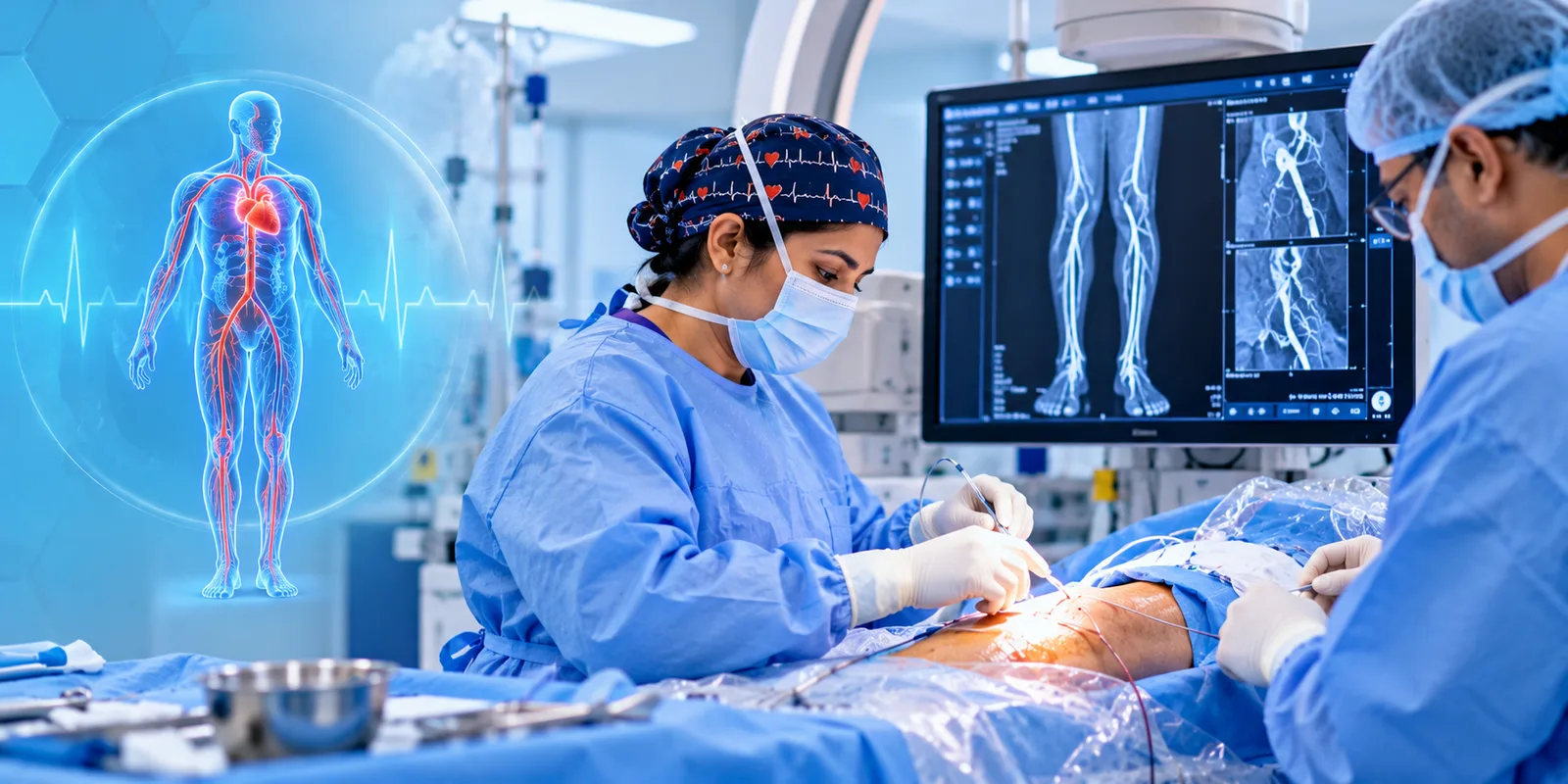
Vascular Surgery is a speciality concerned with diseases affecting the body's arteries and veins, which carry blood to and from different organs and tissues. Vascular conditions may cause symptoms such as leg pain while walking, swelling, non-healing wounds, changes in skin colour or reduced circulation. Early assessment can help identify vascular problems and guide appropriate management. Evaluation may include a review of medical history, physical examination and vascular imaging, such as Doppler ultrasound or other investigations when indicated. Treatment depends on the type and severity of the condition and may involve lifestyle changes, medication, wound care, minimally invasive endovascular techniques or open surgical intervention. Vascular care may also involve ongoing monitoring and management of risk factors such as diabetes, high blood pressure, high cholesterol and smoking. When surgical treatment is required, the care pathway may include pre-operative assessment, intervention, post-operative monitoring and follow-up to support circulation and recovery.
Vascular Surgery focuses on the evaluation and management of diseases affecting blood vessels, including arteries and veins. These conditions can interfere with normal blood circulation and may affect the legs, arms, abdomen and other parts of the body. Common vascular problems include peripheral arterial disease, aneurysms, deep vein thrombosis, varicose veins and complications associated with reduced blood flow. Clinical assessment helps determine the underlying condition and whether medical treatment, monitoring or surgical intervention is appropriate. Diagnostic evaluation may include physical examination, assessment of pulses and circulation, Doppler ultrasound and other vascular imaging investigations. Depending on the diagnosis, treatment may involve medication, management of cardiovascular risk factors, wound care, endovascular procedures or open vascular surgery. The treatment approach is determined by the affected blood vessel, the severity of the disease and the patient's overall health. Timely evaluation is particularly important when patients experience sudden limb pain, coldness, colour changes, non-healing wounds or other symptoms suggesting impaired circulation. Vascular care may include ongoing monitoring, post-procedure follow-up and coordination with other medical specialties to support recovery and reduce the risk of further vascular complications.
Services
- Vascular Surgery Consultation
- Vascular Assessment and Circulation Evaluation
- Peripheral Vascular Disease Evaluation
- Vascular Doppler Ultrasound Assessment
- Aneurysm Evaluation and Management
- Evaluation of Arterial Blockages
- Evaluation of Venous Disorders
- Vascular Wound Assessment
- Post-Operative Vascular Care
- Vascular Risk Factor Management and Follow-Up
Treatments
- Medical Management of Peripheral Arterial Disease
- Management of Vascular Risk Factors
- Treatment of Arterial Narrowing and Blockages
- Management of Aneurysms
- Management of Varicose Veins
- Management of Deep Vein Thrombosis
- Management of Chronic Venous Insufficiency
- Treatment of Vascular Ulcers and Non-Healing Wounds
- Endovascular Treatment of Selected Vascular Conditions
- Surgical Revascularisation for Selected Arterial Diseases
Conditions
- Peripheral Arterial Disease (PAD)
- Arterial Narrowing and Blockages
- Aneurysms
- Carotid Artery Disease
- Deep Vein Thrombosis (DVT)
- Varicose Veins
- Chronic Venous Insufficiency
- Peripheral Vascular Disease
- Vascular Ulcers
- Non-Healing Wounds Due to Poor Circulation
- Acute Limb Ischaemia
- Atherosclerosis of Peripheral Arteries
Procedures
- Vascular Doppler Ultrasound
- Peripheral Angiography
- Angioplasty and Stenting
- Peripheral Arterial Bypass Surgery
- Aneurysm Repair
- Carotid Endarterectomy
- Carotid Artery Stenting
- Varicose Vein Surgery
- Endovenous Ablation for Varicose Veins
- Embolectomy or Thrombectomy
- Vascular Access Procedures
Care at Nirmal
How this department supports patients
Specialist OPD consultation with detailed clinical evaluation and personalised treatment plans.
In-house radiology, laboratory medicine and cardiology diagnostics for faster, evidence-based decisions.
Multidisciplinary coordination with critical care, anaesthesiology, dietetics and physiotherapy where required.
24×7 emergency backup and intensivist-led intensive care for patients who need escalation.
Insurance and TPA desk support for planned as well as emergency admissions.
Where to visit
Adajan
Nirmal Super Speciality Hospital, LP Savani Road, Adajan, Surat, Gujarat 395009
Campus details →Our team
Consultant team
Consultant listings for this department are being updated. Our helpline team can connect you with the right specialist.
Related departments
Explore more specialities
Consult a vascular surgery specialist
Available at Adajan. Our coordinators will help with appointments, reports and admissions.